Posts

Showing posts with the label hinduism

The Guiding Light of the Pandavas and the Voice of the Gita

Image
The story of the Mahabharata cannot be understood without understanding the role of Lord Krishna. Although he never sought a kingdom for himself and vowed not to wield a weapon in the Kurukshetra War, his presence shaped every major event in the lives of the Pandavas. Krishna was more than a relative or ally. He was their guide in moments of uncertainty, their protector in times of danger, and the spiritual force that reminded them to stand firmly on the path of dharma. His wisdom transformed ordinary decisions into timeless lessons, making him one of the central figures of the Mahabharata . Krishna, the Friend and Protector of the Pandavas From the beginning, Krishna recognized that the Pandavas represented righteousness. Whenever they faced injustice, he stood beside them not to seek power, but to protect dharma. During their exile, he offered guidance and encouragement, helping them remain patient despite years of hardship. Krishna's compassion was especially evident during the ...

Kirtimukha - A Fierce Face, A Sacred Purpose

Image
The Kirtimukha is a fierce guardian face carved above temple entrances, symbolizing protection and the removal of negativity. Born from a myth in which a being created by Shiva devoured itself in surrender, it became a sacred emblem placed on thresholds, arches, and shikharas. Across Hindu, Buddhist, Jain, and Southeast Asian traditions, it protects the boundary between the worldly and the divine. Even today, homes use the Kirtimukha above doors for auspicious energy and spiritual safeguarding. Kirtimukha: The devouring face that Guards the Sacred

Decoding the Divine: A Guide to the Different Types of Shivratri Pujas

Image
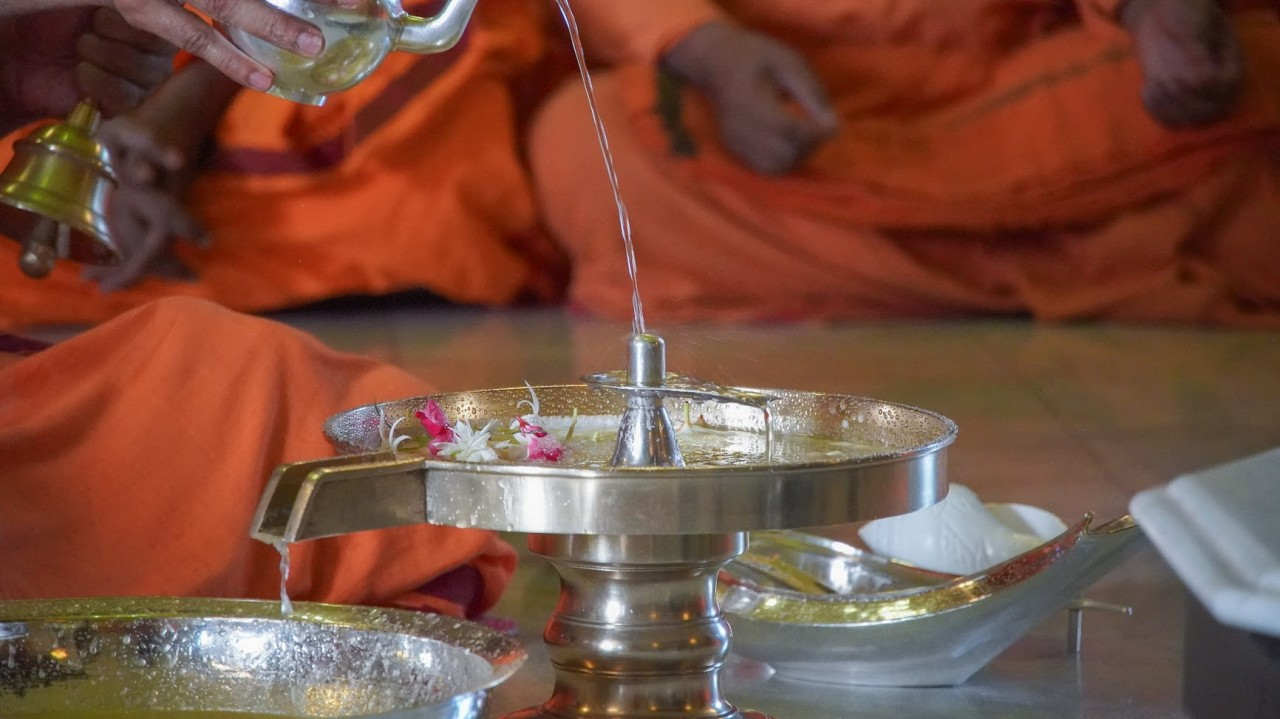
Dedicated to Lord Shiva, Shivratri is a time of intense reverence and spiritual value. Followers of the Destroyer and Transformer seek their blessings by fasting, reciting mantras, and conducting many pujas. But did you know there are different kinds of   Shivratri pujas , each with its unique purpose and rituals? Let's explore some of the most common ways to connect with Lord Shiva on this auspicious occasion. Abhishek: The Holy Bathing Ritual The Abhishek is one of the most frequent and strong pujas. Bathed with several holy materials, the Shivling is the symbolic image of Lord Shiva in this custom. Consider it as a spiritual purging of the idol as well as the soul of the devotee. Along with water, honey, yogurt, ghee, sugar, and occasionally water are employed; every one has its own meaning and significance. The Abhishek is said to cleanse the body, spirit, and mind, therefore clearing away bad energy and opening up the path to spiritual development. Rudra Abhishek: Expounding o...

Shiva Ratri Vrata Mahatmya : The Glory of Fasting and the Method of Shivaratri Puja as Told by Lord Shiva

Image
   The article "Shiva Ratri Vrata Mahatmya: The Glory of Fasting and the Method of Shivaratri Puja as Told by Lord Shiva" emphasizes the significance of observing the Maha Shivaratri fast and performing the associated rituals. It details the prescribed methods of fasting and conducting the puja, as conveyed by Lord Shiva himself. The article outlines the steps for devotees to properly observe the fast and perform the puja to honor Lord Shiva during this auspicious occasion. Source and related content: https://www.exoticindiaart.com/article/shiva-ratri-vrata-mahatmya-fasting-and-the-method-of-shivaratri-puja-as-told-by-lord-shiva/

Goddess Padmavati : The Consort of Lord Venkateswara and the Goddess of Prosperity

Image
    Goddess Padmavati, an incarnation of Lakshmi, is the consort of Lord Venkateswara. Born to King Akasha Raja, her divine marriage is celebrated in Hindu tradition. She is worshipped for prosperity, and her main shrine is at Tiruchanur, near Tirupati. Often depicted seated on a lotus, she symbolizes grace and wealth. Sources and related content: https://www.exoticindiaart.com/article/goddess-padmavati/

Rama Raksha Strotram: Sri Rama’s Eternal Sheild For the Devotee

Image
This is an article about Rama Raksha Strotram. It discusses the Rama Raksha Strotram, a hymn dedicated to the Hindu god Sri Rama. The Rama Raksha Strotram was written by a sage named Budh Kaushik Rishi. It is written in the Padma Purana. It is recited by the devotee regularly or on special occasions to gain blessings and pay respect to the god or goddess who is addressed in the Stotra. Sources and related content: https://www.exoticindiaart.com/article/rama-raksha-strotram/

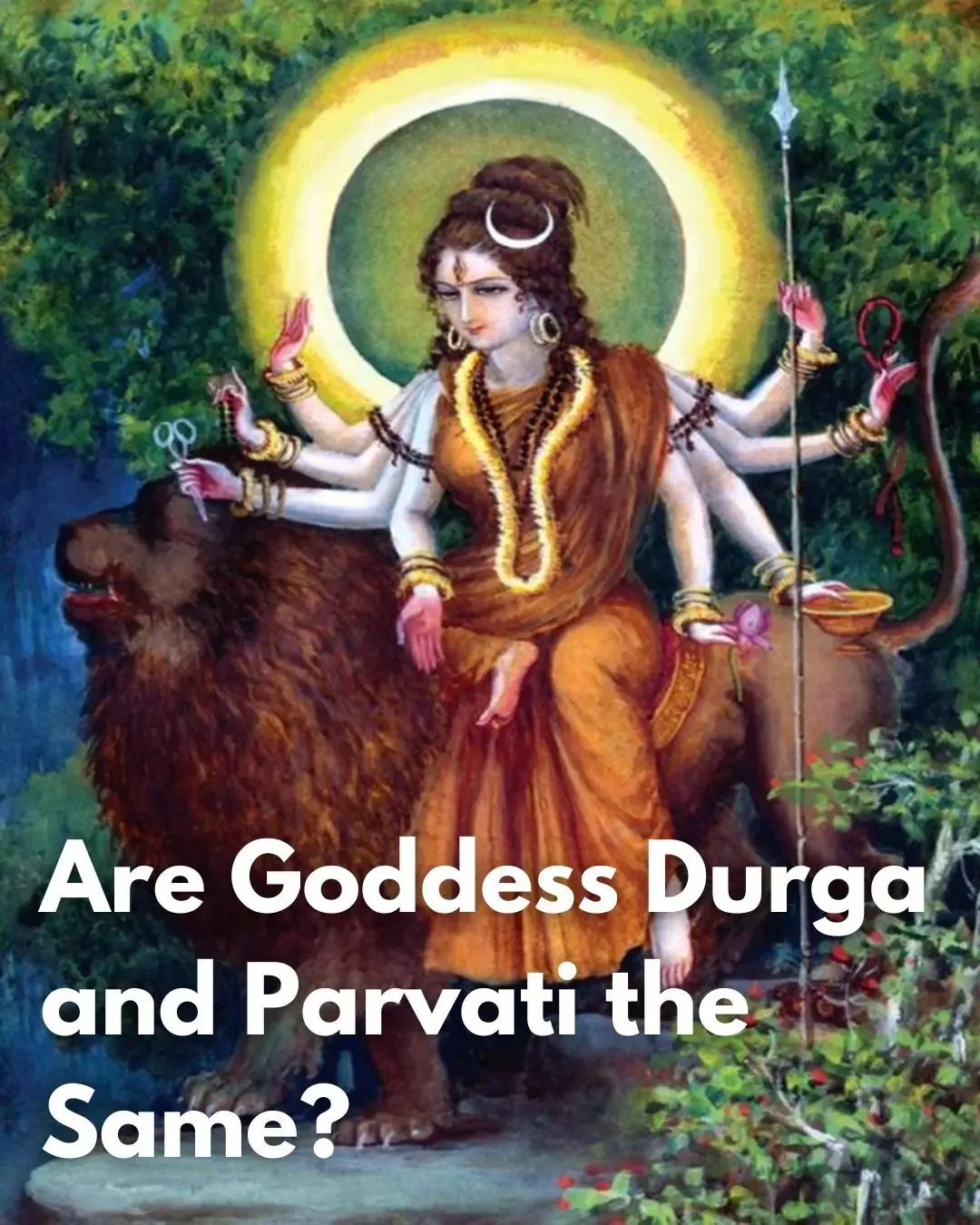
Are Goddess Durga and Parvati the Same?

Image
This is an article about the Hindu goddesses Durga and Parvati. It discusses their relationship and how they are viewed in Hinduism. Durga and Parvati are often seen as different aspects of the same divine feminine energy. Durga is the warrior goddess, while Parvati is the wife of Shiva. The two goddesses are worshipped in different ways, with festivals and rituals dedicated to each. Some popular mantras for Durga and Parvati are also provided. The article also discusses the nine forms of Durga, celebrated during the Navaratri festival. The article concludes by discussing other Hindu goddesses, such as Lakshmi and Yamuna. Sources and related content: https://www.exoticindiaart.com/article/are-goddess-durga-and-parvati-the-same/

Connecting with the Divine: The Significance of Temples in Indian Culture

Image
Temples In India (Origin And Developmental Stages) The spectrum of Indian heritage incorporates the prominent traditional spiritual elements known as temples. The architectural wonders of India function as sacred places for worship yet simultaneously demonstrate the country's superb artistic abilities and skilled craftsmanship. Georgia's temples underwent continuous development throughout history which mirrored the religious and cultural diversity of its population from ancient times until the current period.  Indus Valley Civilization Temple architecture in India began with the Indus Valley Civilization that existed from 3300 BCE. Evidence from the remains of the Harappan civilization demonstrates that fire altars were the oldest structures that qualify as temples. The Nagara temple architectural style that remains famous today was born during the Gupta dynasty period (320-550 CE) when temple architecture reached its height.  The architectural essence of the Nagara style ...

Who is Meldi Maa?

Image
  This is an article about Meldi Maa, a Hindu goddess. It discusses her legend, her iconography, and her temples. Meldi Maa is a local, folk goddess of Gujarat, mainly worshipped in Saurashtra, western Gujarat, as the protector of farmlands and peoples. She is believed to have been created by dirt from the hands of Goddess Uma. She is often depicted riding a goat with eight hands. Devotees seek her blessings for success in their travels, especially to the United States. The article also mentions that Meldi Maa is a popular subject in Mata ni Pachedi, a Gujarati folk art form. Sources and related content: https://www.exoticindiaart.com/article/who-is-meldi-maa/

Pattachitra: An Ancient Folk Art that Reflects the Ethos of India

Image
  This is a blog about Pattachitra paintings. It discusses the history of Pattachitra paintings, techniques, and styles of Pattachitra and answers some of the commonly asked questions related to this unique folk art from Eastern India. Pattachitra paintings are a type of scroll painting that originated in the 8th century AD. The term Pattachitra is derived from the Sanskrit words patta, which means canvas, and Chitra, which means painting. Pattachitra paintings are typically made with natural colors and depict Hindu deities, mythological stories, and folklore. Pattachitra paintings are an important part of Odia culture and are often used in religious ceremonies. Sources and related content: https://www.exoticindiaart.com/blog/pattachitra-an-ancient-folk-art-that-reflects-the-ethos-of-india/

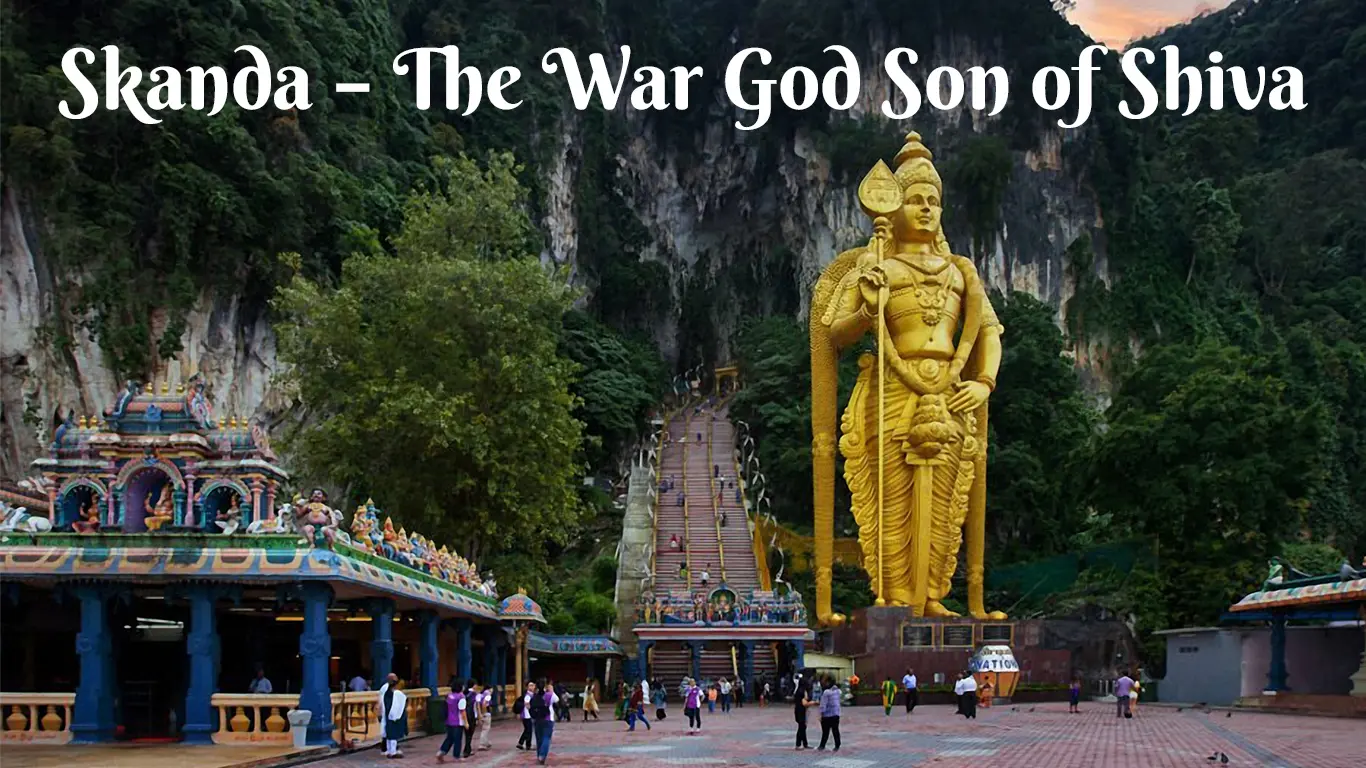
Skanda – The War God Son of Shiva

Image
This is a blog about Skanda, the Hindu god of war. It discusses his history, iconography, and stories. Skanda is the son of Shiva and Parvati. He is known for his battle with the demon Tarakasura. He is also associated with wisdom and is worshipped for protection and bravery. His most popular icons depict him as a six-headed god. He is often shown with his wives Devasena and Valli. Sources and related content: Skanda – The War God Son of Shiva - Exotic India Art www.exoticindiaart.com

Kurma (Turtle) : Lord Vishnu's Second Incarnation (Avatar)

Image
  The article on the Kurma Avatar describes Lord Vishnu's second incarnation as a tortoise. This form emerged to support Mount Mandara during the churning of the ocean, aiding the gods in obtaining the nectar of immortality. Kurma, as a symbol of endurance and stability, played a crucial role in maintaining balance during this cosmic event. The story highlights the importance of Vishnu's various avatars in preserving cosmic order. Source and related content: https://www.exoticindiaart.com/article/kurma-avatar-lord-vishnu-second-incarnation/

Discovering the Hidden Meanings: Vahanas of Hindu Deities

Image
Vahanas are special animals or vehicles which are typically associated with each god or goddess in Hindu mythology. These vehicles are not just animals that the deity rides on but depict aspects of the deity’s character, function in the universe, and power. Let's explore some prominent examples: •  Lord Ganesha and the Mouse (Mushak) The most famous Hindu deity,  Ganesha  who has an elephant head and four arms, sits on a mouse. This is to signify that no matter how tiny one is, he or she can rise above odds and be great. It also warns the audience that during battle, the ego is the single biggest and most dangerous foe that can be faced. •  Lord Shiva and the Bull (Nandi) Nandi, the divine cow is the vehicle of  Lord Shiva  – the destroyer and the changer. The bull symbolizes power, masculinity fidelity, and loyalty. It also represents virtue of strength and the capacity to go through the game of life vicissitudes. •  Lord Vishnu and the Garuda Garuda,...

Lesser Known Celebrations of Makar Sankranti: From Jammu to Karnataka

Image
This is a blog about Makar Sankranti. It discusses the different ways it is celebrated in India. Some ways it is celebrated include Sakaraat in Haryana, Attarani in Jammu, Suggi in Karnataka, Hangarai in Tripura, and Tirmoori in Pakistan. Sources and related content: https://www.exoticindiaart.com/blog/lesser-known-celebrations-of-makar-sankranti-from-jammu-to-karnataka/

Traditions of Sun Worship in Hinduism : आदिदेव नमस्तुभ्यं

Image
This article is about the traditions of sun worship in Hinduism. It discusses the history of sun worship in Hinduism, from the Vedic period to today. The article also discusses the different forms of the sun god Surya and the various festivals and rituals associated with sun worship. The most important festivals associated with sun worship include Makar Sankranti and Chhath Puja. Sources and related content: https://www.exoticindiaart.com/article/adi-deva-namastubhyam-traditions-of-sun-worship-in-hinduism

Maha Kumbh 2025 । महा कुंभ मेला 2025

Image
महाकुंभ- यह हर 144 साल में एक बार होने वाला आयोजन है! यह हिंदू आस्था, परंपरा और एकता का ऐसा उत्सव है जैसा कोई और नहीं है। दुनिया भर से तीर्थयात्रियों को आकर्षित करने वाला यह पवित्र मेला 2025 में तीर्थराज (तीर्थों के राजा) प्रयाग में होने वाला है। जैसे-जैसे शहर और दुनिया इस अनोखे मेले में भाग लेने की तैयारी कर रही है, आइए हम आपको महाकुंभ और कुंभ के इतिहास, महत्व और उत्सव की यात्रा पर ले चलते हैं। Source and related content: https://www.exoticindiaart.com/article/all-about-maha-kumbha-mela-2025/

Worshipping the Sun : Makara Sankranti Tradition Across India

Image
This is a blog about the Hindu festival of Makara Sankranti. It discusses the festival's origins and how it is celebrated in different regions of India. The festival is celebrated with food, dance, and prayer. Sources and related content: Worshipping the Sun : Makara Sankranti Tradition Across India www.exoticindiaart.com

Matsya Avatar: Vishnu's Fish Incarnation, the First of the Dashavatara

Image
The Matsya Avatar is the first of Lord Vishnu's ten incarnations (Dashavatara) in Hindu mythology. In this form, Vishnu appears as a fish to save the sacred Vedas and humanity from a great deluge. The narrative describes how a demon named Hayagriva stole the Vedas from Brahma, leading Vishnu to take the Matsya form to retrieve them. He also warns King Satyavrata (Manu) of an impending flood, advising him to build a boat and gather all species to preserve life. When the deluge occurs, Matsya guides the boat by tying it to his horn, ensuring the safety of the Vedas and living beings, and ultimately restoring cosmic order. Source and related content: https://www.exoticindiaart.com/article/matsya-avatar/

All Hindu Festivals of 2025 - Hindu Calendar

Image
This is a blog about Hindu festivals. It discusses the dates for Hindu festivals in 2025. The dates for Hindu festivals are calculated based on the traditional calendar or Panchang which is based on the position of the Sun and Moon (solar and lunar calendars). Here is a list of some of the important Hindu festivals with dates for the year 2025. Sources and related content: https://www.exoticindiaart.com/blog/hindu-calendar/

Maha Kumbha 2025: All About Kumbha Mela, History, Significance and Traditions

Image
                                  This is an article about the Maha Kumbha Mela. It discusses the history of the Kumbha Mela, the significance of the Kumbha Mela, and the traditions of the Kumbha Mela. The Kumbha Mela is a Hindu festival that occurs every 12 years. The Mahakumbha is a special Kumbha Mela that happens once every 144 years. The next Mahakumbha will take place in 2025. The Mahakumbha is a time for Hindus to gather and celebrate their faith. It is also a time for Hindus to cleanse themselves of their sins. The Mahakumbha is a significant event for Hindus. Sources and related content: Maha Kumbha 2025: All About Kumbha Mela, History, Significance ... www.exoticindiaart.com