Posts

Showing posts with the label YajurVeda

Understanding the Roots of Ayurveda: Exploring the Ancient Texts

Image
There were rishis, or seers as we now call them, thousands of years ago. They lived in ancient India and strived to explore the depths of human health and physiology through disciplined practices of meditation and spiritual life. They closely studied how life functioned and then formed Ayurveda , a complex and comprehensive system of medicine and wisdom. For a thousand years, the intricacies of this system were passed down orally from teacher to student until being written down in what are now some of the world's oldest known scriptures, the four Vedas : Rig Veda (1500-1200 BC), Yajur Veda, Sama Veda, and Atharva Veda (1200-1000 BCE). Since everything we watch, eat, drink, breathe, think about, and put on our bodies is thought to have an impact on us according to Ayurveda, as many of you are undoubtedly already familiar with, the Vedas addressed every aspect of human life. There are sections on politics, health and medical procedures, astrology, spirituality, art, and human behavio...
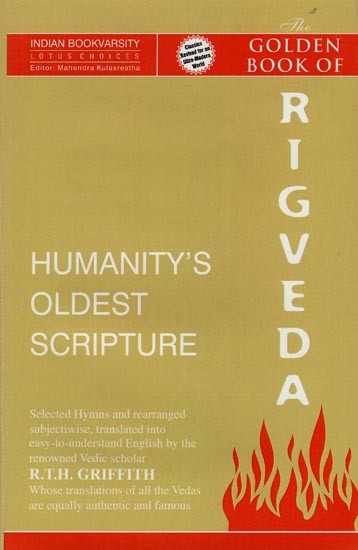
What Are the Different Types of Vedas and How to Understand Them: All You Need to Know

Image
The foundation of Hinduism lies in its texts and scriptures which are brimming with knowledge about yogic traditions and practices as well as spiritual wisdom. Vedas are the most important of these scriptures and are revered as the greatest source of religious authority for all Hindus across the globe. Considered to be the oldest religious texts in the world, the principles and philosophical tenets laid out in the Vedas have been regulating the social, legal, domestic, and religious practices of Hindus for centuries. How to Understanding The Structure Of Vedas The Vedas began as compositions in the form of poems and hymns that were passed on across generations orally. It was only around 3000 years ago that the Vedas were written in Sanskrit for the first time. The vast extent of knowledge contained in the Vedas makes it difficult for any single human being to learn and comprehend it all at once. Hence to make things easier, the texts were divided into four parts by Saint Ved Vyasa. ...