Beyond Beauty: Indian Jewellery as Social and Sacred Code
Indian jewellery is often admired for its glittering gold, vibrant gemstones, and visual grandeur. Yet to view it only as decoration is to overlook its deeper purpose. For centuries, jewellery in India has functioned as a living archive, quietly preserving stories of trade, faith, power, and community. Every ornament carried meaning, acting as a cultural record passed from one generation to the next.

Unlike many Western traditions, where emphasis rested on brilliance, symmetry, and precision cutting, Indian jewellery evolved around technique, symbolism, and intent. The value of an ornament was not judged merely by how brightly it shone, but by how deeply it resonated with ritual, identity, and belief. Jewellery was worn not just to adorn the body, but to protect it, sanctify it, and situate it within the cosmic and social order.

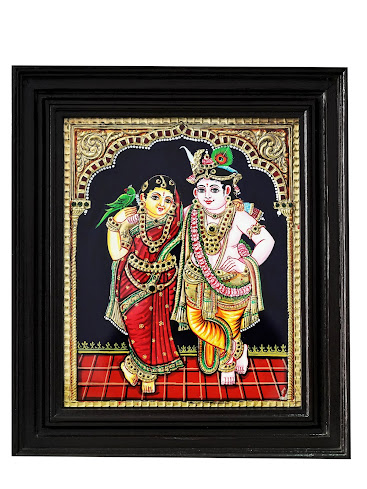
Techniques such as kundan, polki, meenakari, and temple jewellery emerged from specific historical and spiritual needs. Kundan and polki flourished in royal courts, reflecting political power and access to global trade routes that brought uncut diamonds and precious stones into India. Meenakari, with its vibrant enamel work, told stories through color and motif, often inspired by nature, mythology, and sacred geometry. Temple jewellery developed as an extension of devotion, originally crafted to adorn deities before becoming part of classical dance and ritual attire.
Gemstones, too, were chosen for more than their appearance. Each stone was believed to hold planetary, medicinal, or spiritual significance. Rubies symbolized vitality and the sun, emeralds were linked to wisdom and Mercury, and pearls represented purity and the moon. Weight, texture, and presence mattered as much as polish, because jewellery was meant to be felt as well as seen.

Even social life was encoded in ornamentation. Marital status, regional identity, caste, profession, and life stage could all be read through the jewellery a person wore. From birth rituals to weddings and funerals, ornaments marked transitions and preserved memories.
Read More About Indian Jewellery


Comments
Post a Comment